Friday, November 11, 2016

Crouching Tiger Hidden Dragon


A change of pace from the normal King Hu films, this time we watched Ang Lee's Crouching Tiger, Hidden Dragon,  a film made in 2000.
After watching so many King Hu films, or rather, pre-2000 wuxia style films, seeing extremely choreographed fight scenes combined with state-of-the-art special effects made me really appreciate what the whole wuxia genre has finally become after so many years of experimentation and refining.  On top of having an interesting story and cast, the cinematography was also really beautiful and left me in awe with some of the scenery/sequences.  
With this film too, I realized that I had indadvertedly become a fan of the whole wuxia genre, if not being able to appreciate it a whole lot more.  The fight scenes in here, though some of them really did have like moon-like gravity sequences, were all really well done, and I sat in awe watching the warriors on the screen fight.  It was so well done, I could nearly mistake it to be real.  My favorite scenes were probably the chase in the castle walls and the large fight scene that came before it.  Both were really well done, and I was not able to tear my eyes away from the screen.  None can forget the unforgettable bamboo grove fight scene either, that too was amazing.
If anyone is a fan of a good story with a wuxia twist, or even someone interested into getting into the genre,  I would definitely recommend Crouching Tiger, Hidden Dragon.  

Thursday, October 27, 2016

Raining in the Mountain


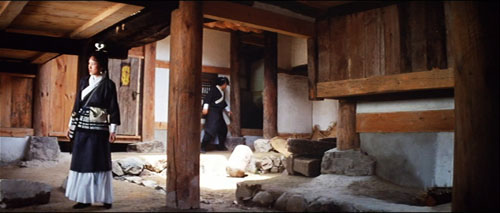
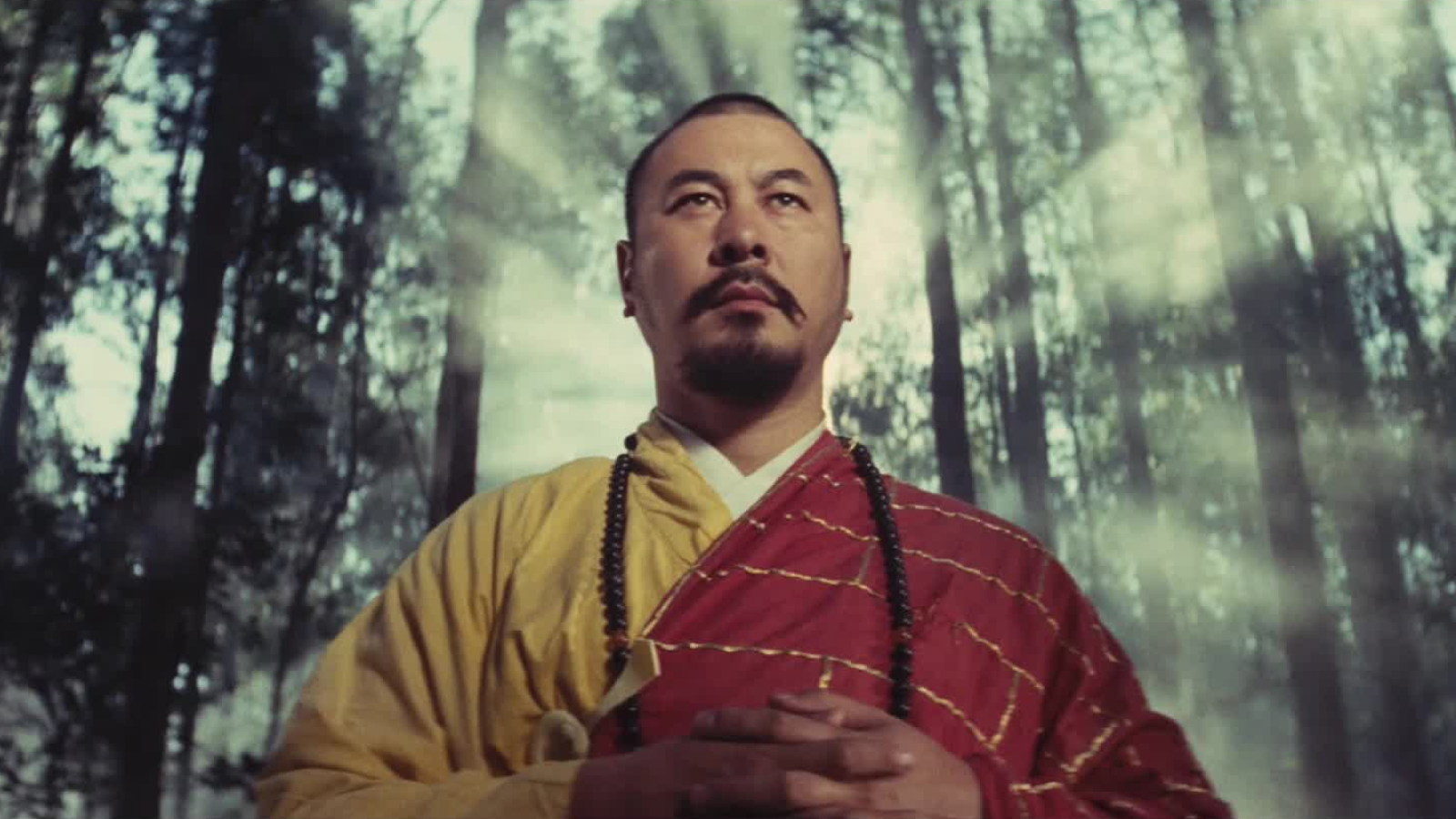
Raining in the Mountain is a film written by King Hu in 1979, a film with heavy religious undertones.  Unlike many of the films that came prior, this film in particular seemed to focus mostly on the interactions amongst the characters and the scenes with action were only sparingly sprinkled in, breaking up the large amounts of character-building.  
Though the action in comparison to his other films was noticeably less, I enjoyed the particular themes that the film portrayed.  The characters were particularly well-fleshed out, in my opinion, as their wants and needs were easily seen and understood to the audience.  It was interesting how none of the villains were traditionally “evil,” and in this film, they only had different goals and mindsets, which led them to do the things they did.  However, the fighting scenes were as good as ever, so that is always nice.  
I really enjoyed the scenery of this film as it was incredibly nice and gave the film a very specific atmosphere limited only to this film in particular.  The temple architecture and the surrounding area gave the film a very spiritual feel, highlighting the themes that were present in it.

Enjoy religious scenery and an interesting, generally narrative-based plot with elements of wuxia mixed in?  I would recommend Raining in the Mountain, if that appeals to you.

Thursday, October 20, 2016

The Valiant Ones

The Valiant Ones is a film done by King Hu in 1975, and as the films continue to roll out, the fight scenes get better and better.  Unlike his earlier films, King Hu seems to have experimented with many different subject matter that he didn’t use before, such as tactics in war or large armies of people.  Though it was almost unexpected, it did not feel out of place and I personally thought it was extremely entertaining to watch the protagonists outwit their enemies.
Though the final fight scene at the very end was, well, in some ways, drawn out with excessive editing, it was extremely exciting in comparison to the films that came before.  There was a large amount of enemies, creating a very unique and action-packed film, becoming closer and closer to the wuxia-style films that are released today.  Though the ending was almost disappointedly hilarious, the rest of the film was done exceptionally well. I especially enjoyed the “test” scenes that were held for the two protagonists in front of the owner of the island.  Though their feats were ultimately due to their skill, choreography, and editing, I was still wowed by the feats that they were able to accomplish.

If anyone enjoys a good wuxia-style film with amazing, nearly superhuman feats, with a dash of political strategy, the Valiant Ones is a must-watch.

Thursday, October 13, 2016

The Fate of Lee Khan


The Fate of Lee Khan, in my opinion had the best fight scenes out of all the King Hu films so far.  However, unlike many of its predecessors, it had a very satisfactory ending, other than the many deaths of its characters.  
The characters and the plot kept the film going and held my attention for the majority of the film.  The editing of the film, especially during the fight scenes, is what stood out to me.  It was done exceptionally well and was very smooth in transitioning from one scene to the next.  I also enjoyed the characterization of the characters, other than some of the waitresses, the characters were easily distinguishable in actions, appearance, and personality.
Though there was a nearly obscene amount of characters in the film, it was very easy to keep track of them and their differences in actions and personalities throughout it.  I do wonder why there were so many characters, however, as it sometimes almost made the film confusing when characters would be added halfway through the film, or even near the end.  
I do have to question the translated title though, as it gives the impression that Lee Khan is the main character or something to that extent, whereas in reality, he’s the main villain that manipulates the actions of many of the characters in the film.  However, that confusion is quickly cleared up, so it is not too big of a deal.

If anyone enjoys a nice wuxia-style film with the occasional humorous tidbits of dialogue and an interesting story, I would definitely recommend the Fate of Lee Khan.

Thursday, October 6, 2016

A Touch of Zen pt. 2

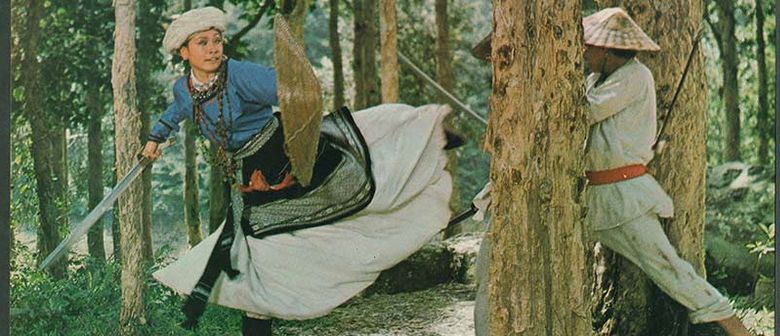
A Touch of Zen was probably my favorite King Hu film so far.  The beautiful cinematography combined with the interesting characters and story made it really hard to tear my eyes away from the screen, and I really do think that it deserves the praise that it gets.  The fight scenes were also always impressive and are a large step up from the films that came before it, in my opinion.  Though the second half of the latter half of the film has heavy Buddhist undertones and ended in a way that was a bit unexpected, it still did not seem as if it was completely out of place.  
My favorite parts of the film were the ambush of the East Chamber guards in the abandoned fort and the chilling aftermath with Ku, admiring his handiwork.  The scene of the ambush by “ghosts” is, so to speak, fiendishly hilarious and pitiful, as the reactions of these guards mimic those who walk through a haunted house, but only during the aftermath does both the viewer and Ku realize the weight of his actions; he slaughtered a whole army in cold blood.  The chilling scene of where he walks through the battle-torn abandoned fort and his amusement of his handiwork, laughing all the while, is a very well-made scene, as for a moment, I lost sight of the original Ku, the painter and scholar, and all I saw was an egotistical maniac, making my hair stand on end and my blood ran cold.  It was a really well-crafted scene and was extremely memorable.  

For those looking for a lengthy, yet well-done movie, beautiful cinematography plus an interesting story and cast makes for A Touch of Zen definitely worth checking out.  

Thursday, September 29, 2016

A Touch of Zen


A Touch of Zen is a 1971 King Hu film, the majority of it being filmed in beautiful Taiwan.  Interestingly, the film is split into two parts, ending up at about three hours total.  Filming began in 1968, meaning it took a full three years of production to finish.
Honestly, I’m extremely impressed at the first part of A Touch Of Zen.  It is a huge step up from Dragon Inn, in my opinion, and boasts extremely beautiful scenery, cinematography, lighting, and most of all, ambiance.  I think, out of all the King Hu films that I’ve seen so far, this one is the most interesting one and the one with the best ambiance to me.  It really is beautiful and it makes it the one that is the hardest for me to pull my eyes away from the screen.
For parts of the film, there seems to be many references to spiders in webs and the silhouettes and shadows of people with great use of chiaroscuro.  Though I’m not entirely sure what the imagery means quite yet, I’m looking forward to seeing what it could possibly mean.  

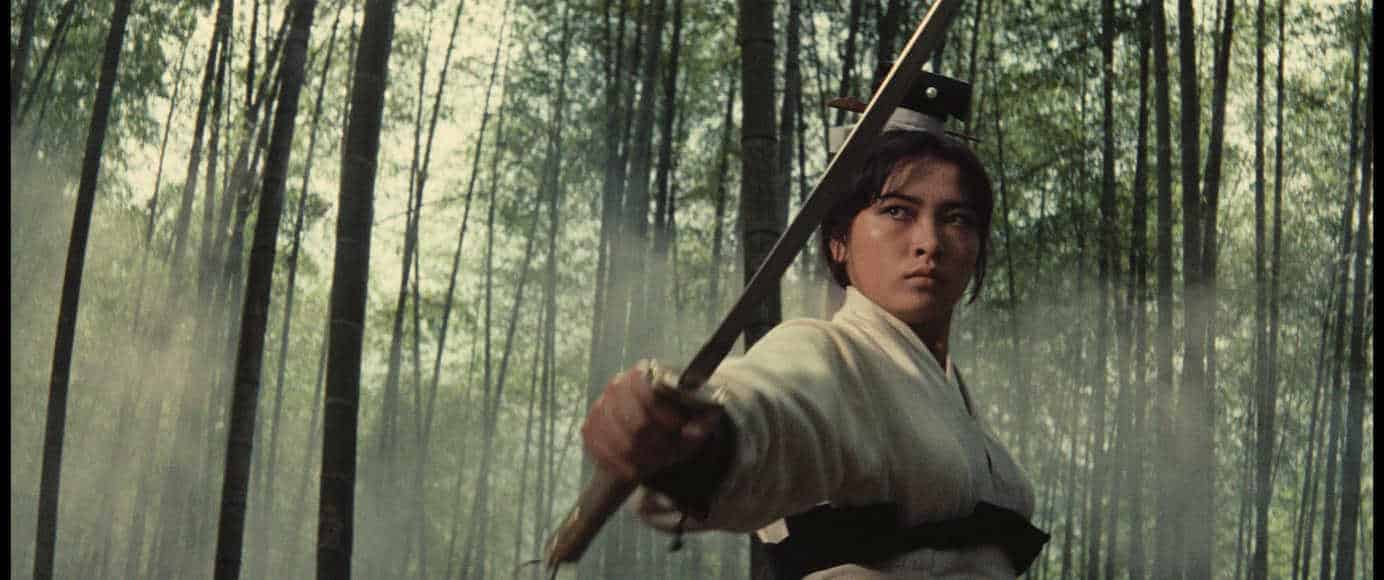
On top of that, the fight scenes seems to be the best choreographed as well, especially the bamboo fight scene.  All of them were done really well, especially in comparison to the previous films, so I enjoyed the first part of A Touch of Zen a whole lot.

Friday, September 23, 2016


Dragon Inn is a 1967 wuxia film made by King Hu.  Though it spans an impressive 111 minutes, I personally felt as if it was a lot longer than that.  Perhaps it was due to my fatigue during that day, but the film did not keep my attention as much as I would have liked it to.  
However, this is not is saying that Dragon Inn is in any way bad.  The cinematography is lovely, the fight scenes are very well choreographed, and though the plot may be a bit dense at times, it is interesting.  
I especially enjoyed the fight scenes more than anything.  Though,as a viewer, you almost always expect the protagonists of the story to win and to survive the toils put in front of them, you can't help but worry when you watch some of the situations and fights that these characters get themselves caught up in.  
However, I did feel as if many of the characters were added almost haphazardly, especially the end, and the ending was as abrupt as I’ve ever seen it. Though each character was distinct both by personality and by appearance, adding main characters in the second half/last third of the movie didn’t seem to help Dragon Inn, unfortunately.  It led up to a good ending, but I was disappointing at the abrupt climax and actual less-than-30-seconds conclusion.  

However, if one is not a stickler for heavily developed characters and concise plots, like I, and enjoy a good wuxia film, then I would highly recommend Dragon Inn.